Contact

Data Architecture Consulting

Your data has a clear blueprint, with every system, model and rule in its place, so new projects build on solid ground. You start with a no-cost consultation and strategy session.

Book a Free Strategy Call
  • See your savings first
  • Zero obligation
  • Instant reply
Trusted by clients in 7 industries
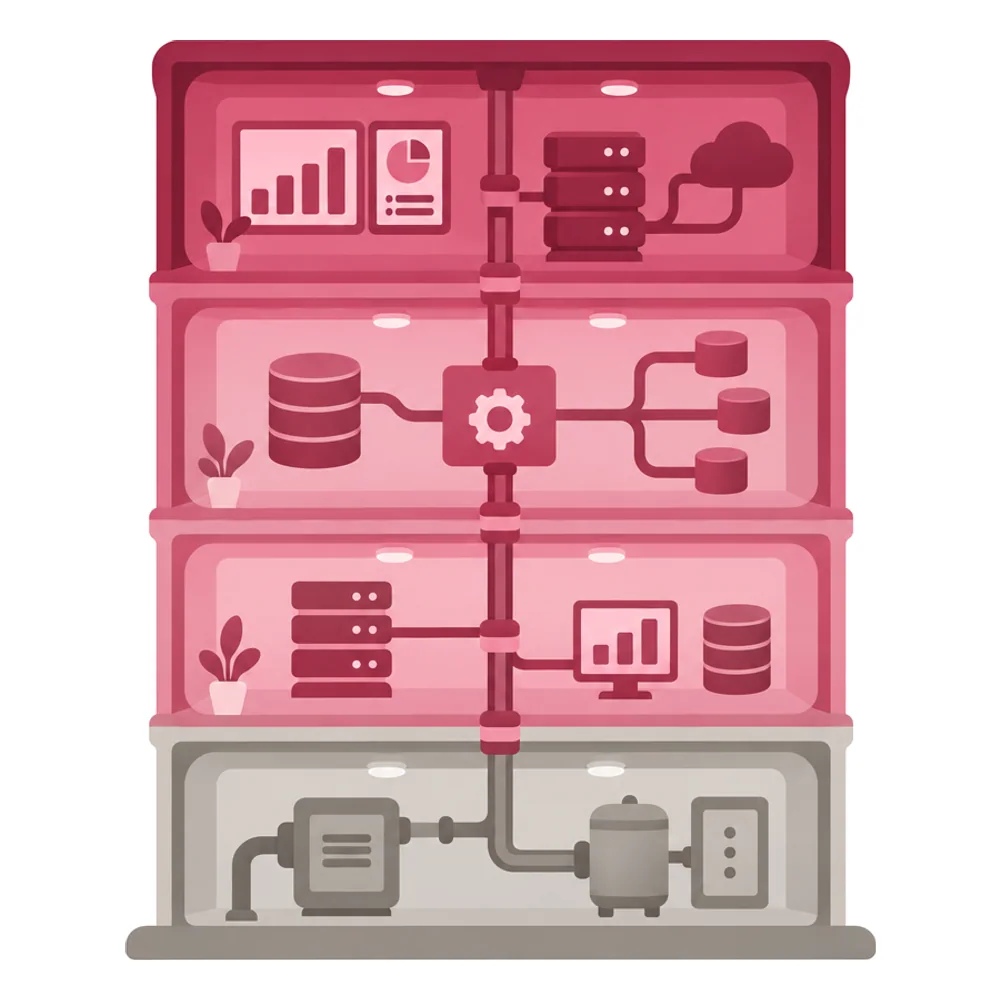
Cutaway building with stacked floors joined by a vertical shaft, a simplified model of layered data architecture
  • Full-service, end-to-end data consulting
  • 200+ data pipelines built
  • 60+ warehouse and lake migrations
  • 100+ governance assessments
  • Trusted by clients in 7 industries
  • A free first call and planning session
  • A single point of contact
  • Support in several languages

What Is Data Architecture Consulting?

Data architecture consulting is a service that designs how your data is stored, modeled, connected and governed across all your systems, and documents it as a blueprint your engineers and analysts can build to. You start with the decisions your business needs to make, not with a tool.

How Data Architecture Works in Your Business

  1. Systems are mappedEvery source, database, report and integration is listed with its owner, so you see what exists and where copies pile up.
  2. Needs are definedThe decisions your business makes, and the data each one needs, set the requirements before any tool is chosen.
  3. The target is designedLayers, platforms and models are drawn to fit your needs, with the trade-offs written in plain language.
  4. Standards are setNaming, ownership, access and quality rules turn the design into something every team can follow.
  5. Completed result iconYou get one shared blueprintEvery later project, from a new report to an AI initiative, builds on the same agreed design.

What Data Architecture Consultants Actually Do

A good engagement covers the full path from a messy landscape to a design your team can follow, so you never end up with a diagram that nobody uses.

  • Current-state system and data map
  • Target architecture design
  • Platform and tool selection
  • Data model and standards design
  • Integration and flow design
  • Roadmap and team handover

The Hidden Costs of an Unplanned Data Architecture

From duplicated data to integrations nobody understands, an unplanned landscape drains time, trust and budget. Yet many teams accept it as part of the job, for no good reason.

  • Hourglass icon1.

    Every Project Starts From Scratch

    Without a shared design, each new report or integration reinvents the same connections, so teams rebuild what already exists.

    Real costHours Wasted Each Week

    Time your best people never get back

  • Warning icon2.

    The Same Data Lives in Five Places

    Copies drift apart, and nobody knows which system holds the right customer or revenue figure, so meetings turn into debates.

    Real costDecisions Delayed

    Time spent arguing about the data

  • Inbox icon3.

    Integrations Nobody Understands

    Point-to-point links grow into a tangle, and a change in one system breaks three others without warning.

    Real costFragile Systems

    Changes that feel risky every time

  • Growing team icon4.

    Platform Costs Keep Growing

    Duplicate storage, overlapping tools and oversized compute inflate the bill, and nobody owns the full picture.

    Real costRising Platform Costs

    Spend that grows faster than value

Data Architecture Consulting Built Around How Your Team Works

Architecture projects that stall usually started with a diagram tool. Yours starts with a clear map of where your data lives, who uses it and which decisions depend on it.

From there you get a design that fits the systems you already run, from your CRM and ERP to cloud storage and spreadsheets. Your team keeps control, and every domain has an owner, clear rules and a way to check that the design is followed.

Deliverables From Us

  • A map of your current systems and data
  • A target design in plain language
  • Platform choices with clear reasons
  • A dated roadmap for the changes

Why a Clear Architecture Comes Before Analytics and AI

Dashboards, forecasts and AI models are only as good as the design under them. A clear architecture fixes that layer once, so every later project starts from a structure your team already agrees on. Start with the domains that matter most, prove the value and expand from there.

This Suits You If You Want To

  • Quick start iconStop rebuilding the same connections for every project
  • Rising chart iconAdd sources and teams without redesigning everything
  • Shield iconKnow where sensitive data lives and who can reach it
  • Clock iconOnboard new engineers and analysts in days, not months
  • Connector iconConnect the tools you already use into one coherent design
  • Target iconSee which platforms earn their cost and which overlap

Your Data Architecture Consulting Process, Step by Step

  1. Step 1

    Free Strategy Call

    You talk through your goals, your reports and the data problems that frustrate your team most. Your consultant asks about your systems, volumes and platforms, and points out where a design is likely to pay off first.

    You get a summary on paper and a likely cost

    Kept short and written, so colleagues can weigh in before you commit.

  2. Step 2

    Current-State Review

    Your systems, data flows and existing models are reviewed for gaps, duplication, cost and risk. You see where copies pile up, which integrations are fragile and what each fix would return.

    You receive a prioritized plan and a fixed price

    Priorities, timing and one fixed price for your first project.

  3. Step 3

    Design and Review

    The target architecture is drawn in small steps and checked against real use cases. Your team checks the layers, approves the models and agrees the standards before anything is built.

    You get a blueprint your team can build to

    Diagrams, data models, standards and platform decisions, in a form engineers can use.

  4. Ongoing

    Roadmap and Support

    Your account manager helps you sequence the changes and reviews progress every month. The design is updated as your business and systems change.

    You get a roadmap and monthly reviews

    Dated projects, owners and results in one clear plan, plus support whenever you need it.

Deliverables With Data Architecture Consulting

Pick one service or the complete program, from audit to ongoing support.

  • Every System and Data Flow, Mapped

    Your review lists each system, integration and owner, and scores them for duplication, cost and risk.

  • A Target Design You Approve

    You approve the layers, platforms and data models before anything is built.

  • Standards Every Team Can Follow

    Naming, ownership, access and quality rules written in plain language.

  • Platform Choices With Clear Reasons

    Warehouse, lake or lakehouse, compared on cost, skills and fit for your needs.

  • Your Team Is Trained Before Handover

    Short sessions and written guides so every domain has a confident owner.

  • A Dated Roadmap and Monthly Reviews

    You see what comes next, who owns it and how the design is holding up.

Data Pipelines Built200+
Warehouse and Lake Migrations60+
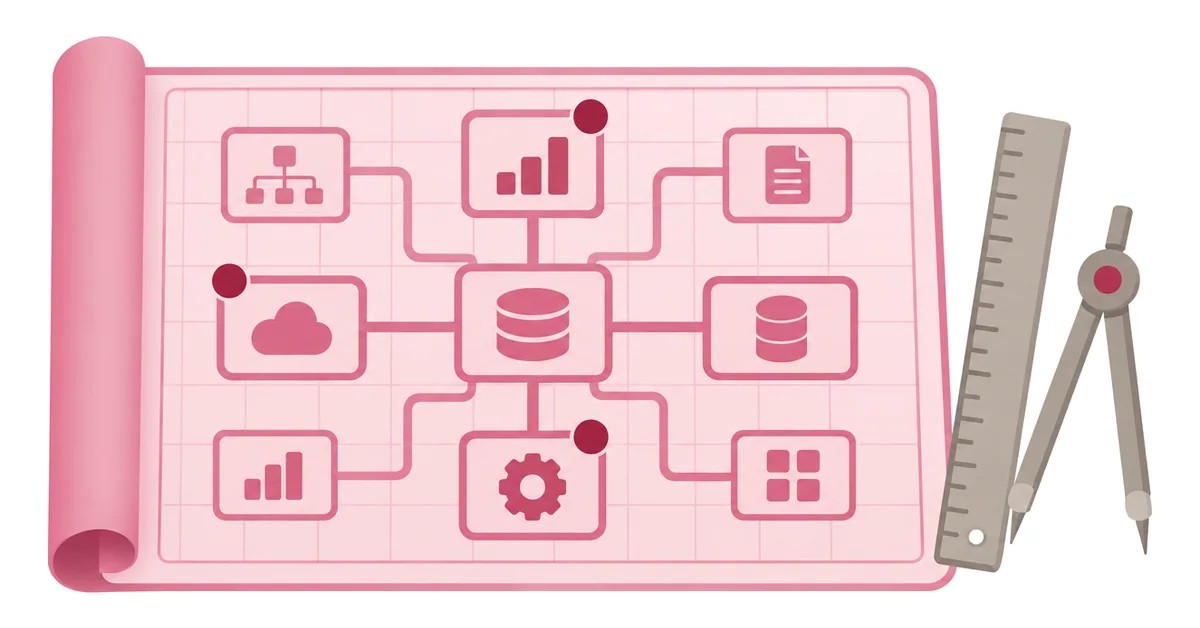
Blueprint sheet with boxes, connecting lines and marker pins, showing planned data architecture layers
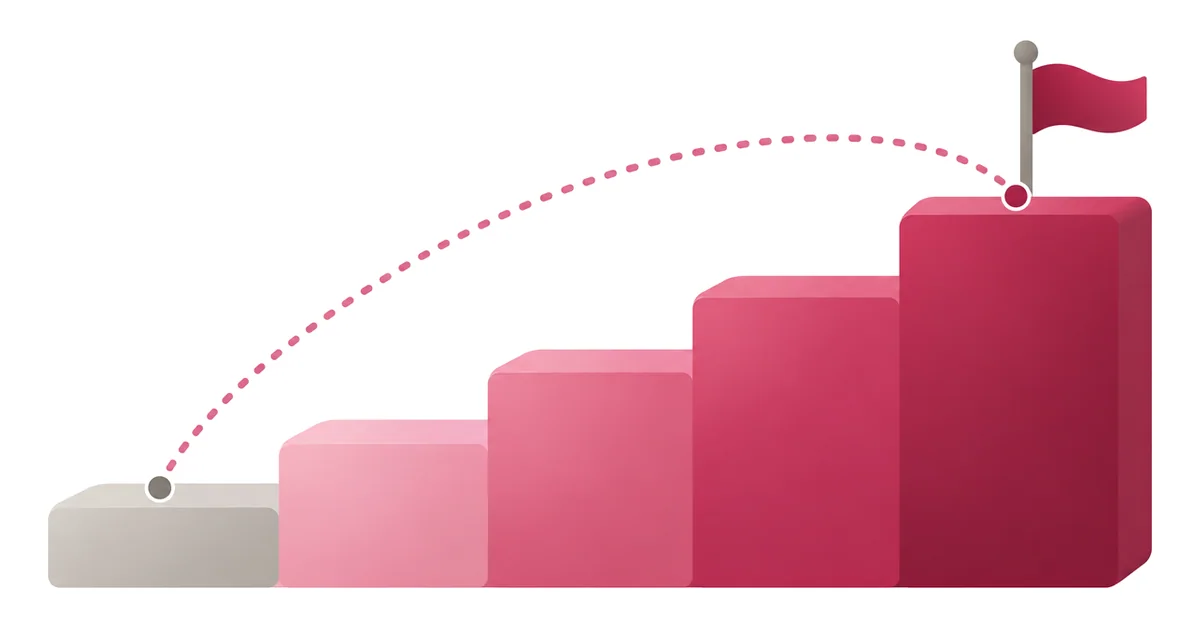
Rising steps from gray to deep rose with a flag at the top, showing a migration path from current to target architecture

Data Architecture Consulting Results From Real Clients

Cut Reporting Time by 40%

“Trevio mapped where our numbers disagreed and fixed the pipelines behind them first. Monthly reporting went from six days to under four, and finance finally trusts the dashboards. Every step was explained clearly and handed over with documentation.”

LJ
Laura JensenFinance Director, Retail Group

3 Owners, 1 Clear Data Policy

“Nobody could say who owned customer data. Trevio ran short workshops, named owners for each domain and wrote rules people actually follow. Audit questions that used to take weeks now take an afternoon, and the policy fits on two pages.”

SM
Sofia MarchettiHead of Operations, Logistics Firm

2x Faster Data Pipelines

“Our nightly loads kept failing and nobody had time to look. Trevio rebuilt the worst jobs, added monitoring and trained two of our engineers. Runs now finish in half the time, and we get an alert before anyone notices a problem.”

AH
Amira HaddadData Lead, Ecommerce Brand

Your Data Before and After Data Architecture

Where hours go now, and how many your team can win back.

Before Data Architecture

  • Every project builds its own connections
  • The same data lives in several places
  • Each team names and defines things differently
  • Platform costs grow with no owner
  • A landscape only one person understands

After Data Architecture

  • Projects reuse an agreed design
  • Each data item has one home and one owner
  • One naming standard and one set of definitions
  • Cost tracked per platform and domain
  • A documented blueprint your whole team can use

Benefits of Data Architecture Consulting for Your Business

Why outside help pays off when you build your data platform.

Clock iconHours Saved Every Week

Teams without a shared design spend hours looking for the right table, rebuilding connections and asking colleagues what a field means. A clear architecture and a documented model cut that search time.

Shield iconYou Get Numbers You Can Trust

When each fact has one home and one definition, reports agree. The arguments over whose spreadsheet is right stop, because everyone reads from the same source.

Rising chart iconYou Scale Without Rebuilding

A layered design takes new sources and larger volumes without a rewrite. You add data to a structure that already exists, and costs grow slower than usage.

Target iconYou Avoid Expensive Failed Projects

Many data projects stall because they start with a platform purchase. Consulting starts with the business questions, so your first project is small, measurable and built to pay back before you expand.
Data Architecture Consulting Pricing and ROI

Every project gets a fixed quote after a free current-state review. Here is what a clearer design typically gives back, depending on how many manual data tasks your team handles each week.

Manual data tasks per weekHours back per weekHours back per yearValue per year
50 17 hrs867 hrs$34,667
100Common first step 33 hrs1,733 hrs$69,333
200 67 hrs3,467 hrs$138,667

What to Expect Before Your Data Architecture Project Starts

  • Hidden fees

    Clear Costs Before Work Starts

    After the audit you get a fixed price, with nothing hidden and no surprise bills.

  • Projects that should not start

    An Upfront Fit Assessment

    If you do not need a full redesign, you hear it on the first call, along with what to fix first.

  • Fuzzy status updates

    Straight Answers Throughout

    Every week: a short status on done items, open blockers and your to-dos.

  • Weeks of waiting

    A Short Written Plan After We Speak

    After we speak, you get a written recap covering what to tackle first, how long it takes and what it costs.

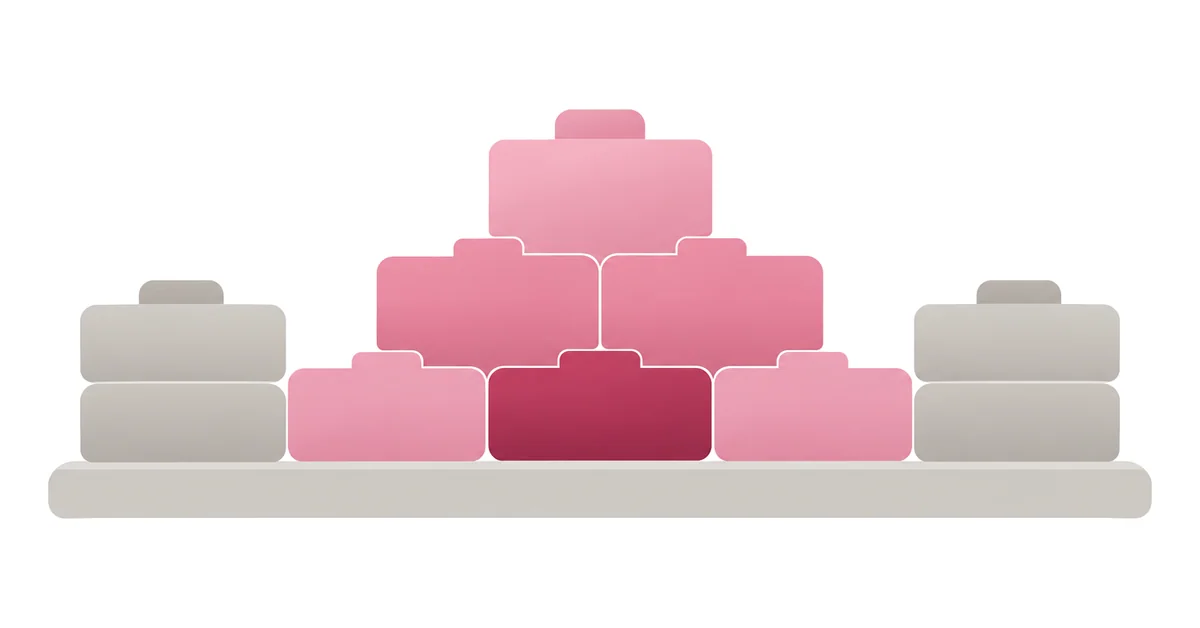
Blocks stacked on a baseplate with one new block fitting a gap, showing a design that suits the stack you already use

Architecture Designs That Fit the Stack You Already Use

No rip-and-replace projects. Your CRM, billing tool, databases and warehouse are mapped into one design, so your team keeps working the way it knows while the structure around it becomes clear.

New tools are only recommended when they clearly pay for themselves, which keeps your costs low and your team’s adoption high.

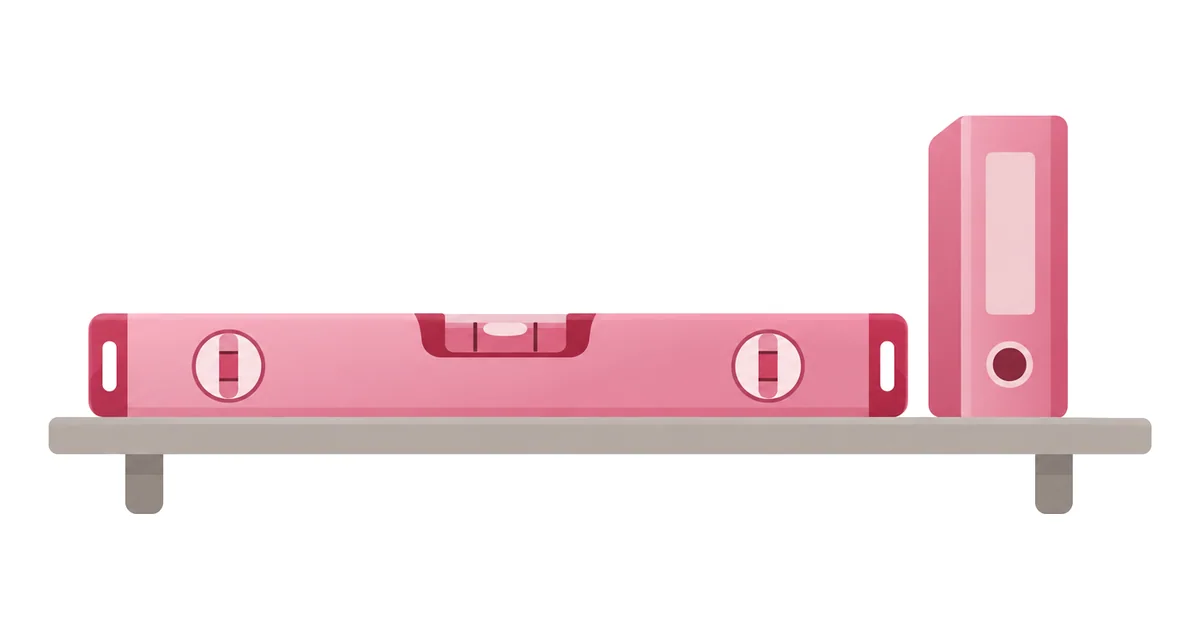
Spirit level with a centered bubble beside a binder, representing architecture standards and documentation kept true

Standards and Documentation That Keep the Design Alive

A design that lives in one person’s head does not last. Every engagement ends with clear naming rules, ownership lists and diagrams that your team can read, update and enforce.

Each decision is recorded with its reason, so whoever joins later knows why things are built the way they are, and changes are made on purpose.

Data Architecture Consulting for Your Industry

The design work that pays back first in your sector.

Healthcare

Design how EHR, claims and scheduling data connect, with strict access controls and audit trails. See healthcare data consulting for sector-specific work.

Retail and Ecommerce

Give orders, inventory, web traffic and ad spend one shared structure, so promotions and stock decisions use the same numbers. Many retail teams start with a data warehouse for this.

Financial Services

Design transactions, risk and reporting data with full lineage, so every figure can be traced back to its source. A solid data platform makes audits far easier.

Software and B2B

Model product usage, billing and CRM data together to see churn, expansion and cost per customer. Most of the work is data integration across many SaaS tools.

How to Choose the Right Data Architecture Consulting Partner

The right partner makes the difference between a design that guides your team for years and a diagram that nobody opens after the workshop. Before you sign, check that your data architecture consulting partner can show you each of these:

  • A clear review process that ranks work by cost, risk and return
  • Hands-on experience with the warehouse and tools you already use
  • Designs written in plain language and in usable data models
  • Fixed pricing before kickoff, with no surprises
  • A roadmap that turns the design into dated projects

Also ask who owns the documents after handover. You should receive all diagrams, models and training, so the capability stays inside your business.

What You Can Count On From Your Data Architecture Partner

  • Quote sheet icon

    Upfront Fixed Pricing

    The cost is fixed before we start.

  • Coin icon

    Top-Quality Work Without Big-Firm Fees

    Full support from first idea to finished result, sized for a first project.

  • Project lead icon

    One Named Contact

    A dedicated lead who knows your project inside out and replies quickly.

  • Shield icon

    Your Data Is Safe With Us

    Need-to-know access, documented flows and NDAs on request.

Data Architecture Consulting FAQs

What Does a Data Architect Do for My Business?

A data architect designs how your data is stored, connected, named and governed across all your systems. They decide which systems hold which data, how it flows between them and which rules apply, then document that design so engineers can build to it. You get one agreed blueprint instead of every team solving the same problem differently.

Do You Work with the Platforms We Already Use?

Yes. The design starts from your current stack, whether that is Snowflake, BigQuery, Redshift, Databricks, Azure Synapse, SQL Server, Oracle or a mix. New platforms are only recommended when they clearly pay for themselves, and you see the reasoning in writing before anything is bought. That keeps your costs down and your team working with tools it already knows.

How Long Does a Data Architecture Project Take?

A current-state review and target design for one business area often takes a few weeks. A company-wide architecture with several domains takes longer, depending on how many systems you run and how well they are documented. After the audit you get a timeline and a fixed quote, and the work is delivered in small releases so you can use the first decisions early.

How Much Does Data Architecture Consulting Cost?

The cost depends on the number of systems, the number of business domains and how much documentation you already have. You get a realistic range on your free discovery call and a fixed quote after the audit, so there are no surprises later. Most first projects are scoped small on purpose, so they prove their value before you expand.

What Is the Difference Between Data Architecture and Data Engineering?

Data architecture is the design: which systems, which models, which rules and which flows. Data engineering is the build: the pipelines and platforms that follow the design. Many companies need both, and a clear architecture makes the engineering faster, cheaper and easier to maintain.

How Is Our Data Protected?

Security is part of the design from the start. Access follows least-privilege rules, sensitive data is classified and marked in the models, and every data flow is documented so your security team can review it. Wherever possible, data stays inside your own cloud account, and NDAs are available on request.

Can You Work with the Architecture We Already Have?

Yes. Many engagements start by mapping what exists: which systems hold which data, where copies pile up and which integrations nobody understands. You get a prioritized list of changes, so you improve the design step by step instead of starting from zero.

Do We Need a Data Lake, a Warehouse or a Lakehouse?

It depends on your data, your skills and your questions. Mostly structured reporting data fits a warehouse, large volumes of mixed files may need a lake, and a lakehouse suits teams that combine reporting with machine learning. You get a recommendation with the trade-offs in plain language, and the simplest design that meets your needs wins.

Will the Architecture Still Hold When We Grow?

That is the point of designing it. Clear layers, naming rules and ownership let you add sources and teams without rebuilding the foundation. Your architecture is reviewed on a schedule, so it changes deliberately as the business changes.

Do You Help After Go-Live?

Yes. After the design is delivered, your dedicated account manager reviews progress, answers questions and suggests improvements every month. Support is available in 5+ languages. You also receive full documentation and training, so the architecture stays inside your business.

Start Your Data Architecture Project With a Free Plan

Get a free architecture review and a clear plan for your first design.

Book a Free Strategy Call

Arrange Your Free Consultation

Please fill in your name.
Please check your email address.
Add a brief subject.
Briefly describe what you want to change.